Choose Taylors HVAC Company for Expert HVAC Installation and Repair
Choose Taylors HVAC Company for Expert HVAC Installation and Repair
Blog Article
Expert HVAC Systems for Superior Home Comfort
Skilled HVAC solutions are essential in sustaining home comfort. These systems need a intricate grasp of their parts and functions. Regular maintenance can prevent many common concerns, while forward-thinking upgrades enhance power efficiency. Still, picking the right support provider proves challenging. Homeowners must evaluate various variables to guarantee superior performance. What aspects should be top of mind when seeking qualified guidance?
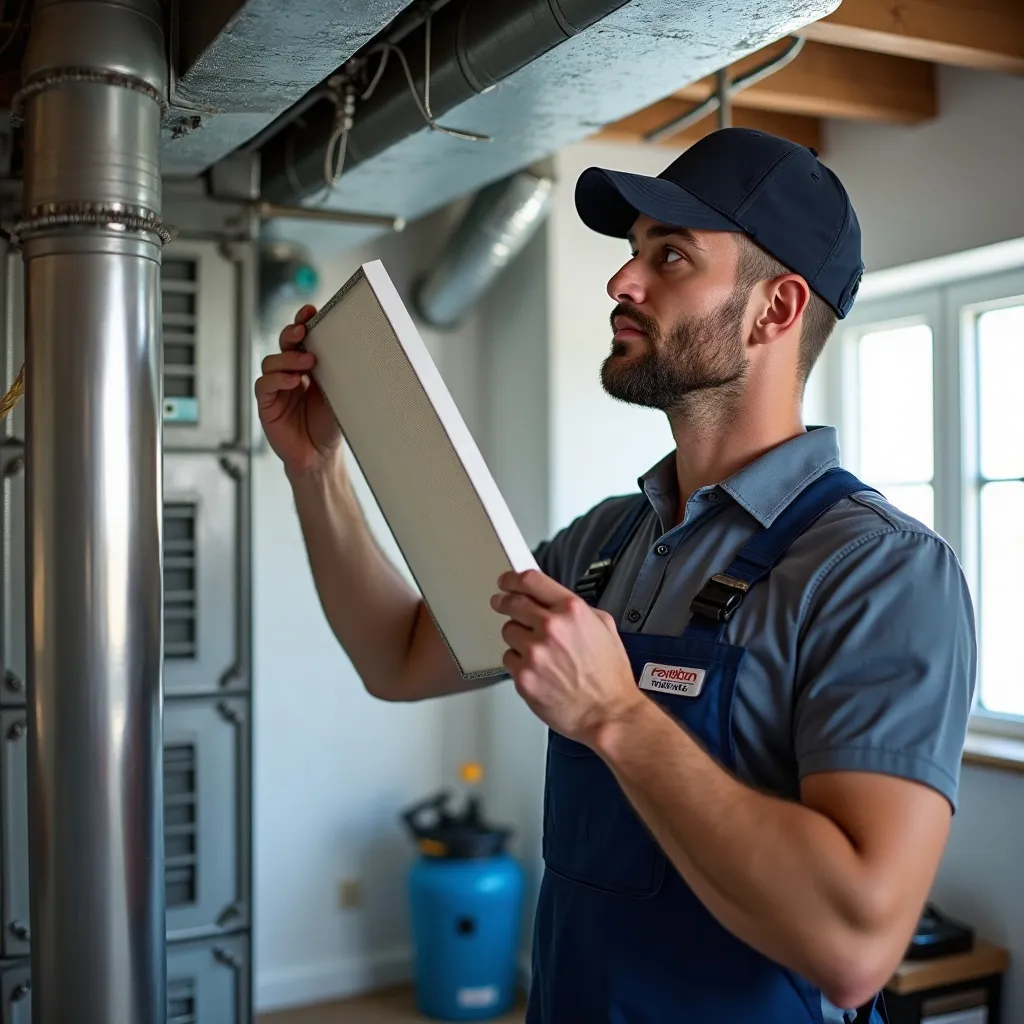
Comprehending the Fundamental Aspects of HVAC Systems
HVAC systems are essential parts of contemporary residential comfort, encompassing heating, ventilation, and air conditioning functionalities. These systems work together to maintain a consistent interior setting, ensuring ideal temperatures and air quality throughout the year. The heating aspect is typically supplied through furnaces or heat pumps, which generate warmth during colder months. Air conditioning units, on the other hand, cool indoor spaces when temperatures rise.
Ventilation plays a significant role in maintaining air quality by facilitating the exchange of indoor and outdoor air. This process helps to remove pollutants and excess humidity, contributing to a healthier living environment. HVAC systems are engineered to satisfy the specific needs of a home, taking into account factors such as size, insulation, and climate. Understanding these fundamentals enables homeowners to determine the best choices about their comfort needs, ensuring optimal performance and energy usage throughout their living spaces.
Why Regular HVAC Maintenance Matters
Periodic HVAC upkeep is indispensable for perfecting system performance and ensuring home comfort. It remarkably contributes to upgraded energy efficiency, prolongs the lifespan of components, and improves indoor air standards. By making routine maintenance a priority, homeowners can realize both cost benefits and a healthier living habitat.
Optimized Operational Efficiency
Keeping excellent energy efficiency in a home is dependent upon the consistent maintenance of heating and cooling systems. Disregarding scheduled servicing can produce diminished performance and higher energy usage. Expert assessments often uncover challenges including dust-filled air filters, restricted airflow passages, or deteriorated parts, which can markedly compromise efficiency. For instance, a properly maintained HVAC system operates at optimal capacity, ensuring that the energy applied effectively creates comfort. Moreover, regular upkeep helps fine-tune the system to correspond with seasonal demands, further increasing energy optimization. Property owners who dedicate resources to routine HVAC maintenance not only achieve cheaper energy bills but also help reduce environmental impact. In turn, enhanced energy efficiency is a key benefit of thorough HVAC maintenance.
Extend Asset Lifespan
Proper care of climate control systems greatly prolongs their longevity, allowing occupants to maximize their financial investment. Regular checks, cleaning, and service adjustments help detect potential problems before they deteriorate, decreasing the chance of expensive fixes or premature substitutions. Regular upkeep ensures that components function effectively and minimizes system degradation, which can lead to failures. Additionally, maintaining ideal refrigerant amounts and inspecting power links add to the overall performance of the system. Property owners who emphasize HVAC maintenance often experience fewer interruptions and enhanced consistent reliability from their equipment. Consequently, allocating time and resources into regular upkeep can result in substantial long-term cost reductions, ensuring that systems function reliably for many years.
Better Indoor Air Freshness
Investing in consistent system maintenance not only lengthens equipment lifespan but also substantially enhances indoor air quality. Regular services, such as changing filters and cleaning ducts, eliminate dust, allergens, and pollutants that build up gradually. This preventive strategy ensures that the air flowing through your residence remains clean and safe for occupants. Furthermore, properly serviced equipment operate more efficiently, reducing the presence of harmful airborne particles. Additionally, HVAC professionals can detect potential issues before they exacerbate, further safeguarding indoor environments. Improved air quality not only contributes to better health outcomes but also enhances overall comfort. Consequently, routine maintenance is a crucial strategy for homeowners striving to create a more salubrious, more enjoyable living atmosphere.
Common HVAC Issues and Their Solutions
HVAC systems commonly experience temperature fluctuations, repeated startup and shutdown cycles, and poor air quality, which are widespread issues encountered by homeowners. These problems can result in dissatisfaction and elevated heating and cooling expenses if not resolved promptly. Identifying the underlying causes and effective solutions is vital for upholding a comfortable living environment.
Temperature variations That Lack Uniformity
Many property owners encounter temperature variations that disrupt their comfort, often stemming from common HVAC problems. One primary reason is insufficient insulation, which permits conditioned air to leak and unconditioned air to infiltrate, leading to uneven temperatures. Additionally, obstructed vents and ductwork can impede airflow, causing certain rooms being hotter or cooler than others. Thermostat placement also serves an essential role; if a thermostat is located in an area that does not represent the overall temperature, it may misread and produce variable heating or cooling. Regular maintenance, such as cleaning filters and ensuring ducts are free of obstructions, can assist in reduce these issues. By addressing these factors, homeowners can attain a more stable and comfortable indoor environment.
Consistent System Cycling
Persistent system frequent on-off cycles can greatly interfere with home comfort and result in increased energy bills. This concern takes place when an HVAC system turns on and off frequently within a short span. Such cycling can originate in various origins, including improper thermostat settings, dirty air filters, or an oversized system. When the system operates with poor efficiency, it not only hampers temperature regulation but also creates additional strain on components, potentially leading to premature wear and expensive important information repairs. To manage frequent cycling, homeowners should verify proper thermostat calibration, regularly change out air filters, and consult professionals for system sizing assessments. Proactive intervention can enhance efficiency, reduce energy costs, and ultimately enhance overall home comfort.
Substandard Air Quality
Poor air quality can significantly damage home comfort, often compounding issues caused by regular cycling patterns. Common sources of poor air quality include dust, allergens, and volatile organic compounds (VOCs), which can penetrate living spaces through poor filtration. HVAC systems, if not well-serviced, might struggle to remove these contaminants effectively, leading to respiratory issues and discomfort.
To overcome this, frequent filter maintenance is required, as clean filters substantially improve indoor air quality. Additionally, selecting air purification systems and maintaining proper ventilation can additionally strengthen the environment. Homeowners should also assess humidity control, as excessive moisture can support mold growth, further worsening air quality. By handling these concerns, ideal comfort and health can be more easily achieved.
Clever Techniques to Modernize Your HVAC for Energy Efficiency
Improving an heating and cooling system for optimal energy performance can greatly enhance home comfort while reducing utility costs. One successful method is to install a digital thermostat, which allows temperature adjustments according to occupancy patterns. This ensures energy isn’t wasted when the house is empty. Another effective improvement is sealing ductwork to prevent air leaks, which can substantially boost system efficiency. Also, using high-efficiency filters can raise indoor air quality while helping the system operate more efficiently. Routine maintenance, including coil cleaning and refrigerant level checks, supports ongoing performance and efficiency. Lastly, using variable-speed motors in HVAC units can fine-tune energy consumption by modulating airflow based on demand. These upgrades not only encourage energy savings and enhance comfort, highlighting the value of investing in energy-efficient HVAC systems.
Critical Progress in HVAC Technology
Recent breakthroughs in HVAC technology have reshaped how homeowners obtain comfort and efficiency. Innovative systems now integrate smart thermostats that adapt to user preferences, automatically calibrating settings for ideal energy use. Variable-speed motors have also emerged, allowing for fine airflow control and minimizing energy consumption while enhancing comfort levels.
In addition, heat pump technology has experienced major improvements, offering efficient heating and cooling alternatives even in severe climate conditions. Combined air purification systems are rising in demand, implementing advanced filtration methods to decrease allergens and pollutants, thereby facilitating healthier indoor environments.
Additionally, the emergence of alternative energy sources, such as solar-powered HVAC systems, conveys a growing devotion to ecological responsibility. These developments not just aid in reduced utility bills but also minimize environmental impact. As advancement continues improving, homeowners can anticipate even enhanced efficiency and satisfaction from their HVAC systems, securing a more sustainable and agreeable living environment.
Finding the Correct HVAC Service Provider: Essential Factors to Consider
How can homeowners guarantee they select the correct HVAC service provider? Several key factors can direct this choice. First, verifying credentials and licenses is vital; providers should have the required certifications and insurance to guarantee quality and safety. Next, assessing expertise and proficiency in residential HVAC units can indicate the provider's dependability. Homeowners should seek referrals and review internet ratings to measure client contentment. Additionally, obtaining several estimates can provide understanding into industry prices and maintenance options, enabling for educated evaluations.
Furthermore, understanding the provider's upkeep arrangements and crisis repair alternatives is important for extended ease. Homeowners should inquire about warranties on both equipment and services, guaranteeing peace of mind. Finally, attentive interaction and timeliness during opening engagements can indicate the provider's comprehensive support strategy. By assessing these considerations, homeowners can securely pick a trustworthy HVAC service provider that satisfies their unique requirements.
Regularly Requested Topics
How Regular Should My HVAC Air Filter Changes Be?
HVAC air screens ought to be replaced every 1 to 3 months, depending on usage, filter type, and household conditions. Routine maintenance helps ensure optimal air quality and system efficiency throughout the year.
What Size HVAC System Is Suitable for My Home?
Ascertaining the proper size of an HVAC system involves assessing the home's square footage, insulation quality, and climate. In general, a professional assessment guarantees ideal performance and comfort by selecting the right capacity for the space.
Should I install an HVAC system without help?
While some residents may try DIY HVAC installations, it's generally not advised due to complex requirements. Professional installation guarantees safety, efficiency, and compliance with local codes, eventually providing better long-term performance and reassurance.
What Clues Indicate My HVAC System Is Going Bad?
Signs of a failing HVAC system consist of unusual noises, uneven heating and cooling, higher utility costs, constant on-and-off operation, weak air circulation, and strange smells. Tackling these problems quickly can avoid additional deterioration and preserve household comfort.
How Might I Upgrade Air Quality Inside Using HVAC?
Enhancing indoor air quality with HVAC necessitates ongoing care, regularly replacing filters, utilizing air purifiers, guaranteeing sufficient ventilation, and regulating humidity levels. These steps aid in decreasing pollutants and elevate overall air quality in the home.
Report this page